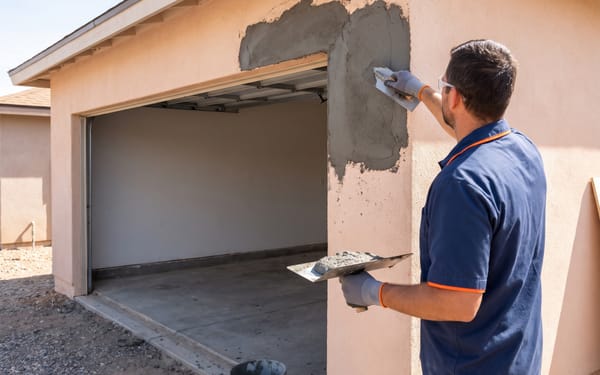
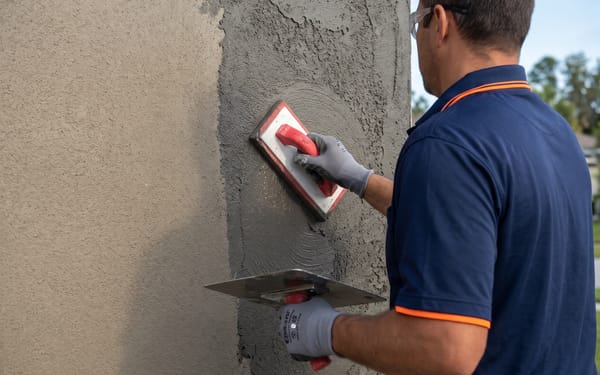
When it comes to stucco, Orlando is really two cities. Near downtown, 15,068 homes on the 2026 tax roll were built before 1960, most of them in the 32803, 32804 and 32806 ZIP codes that take in Colonialtown, Audubon Park, College Park and Delaney Park. About 27% of those older homes are wood frame. Stucco on a frame wall depends on the lath and paper behind it, and on these houses it has usually been patched and painted more than once.
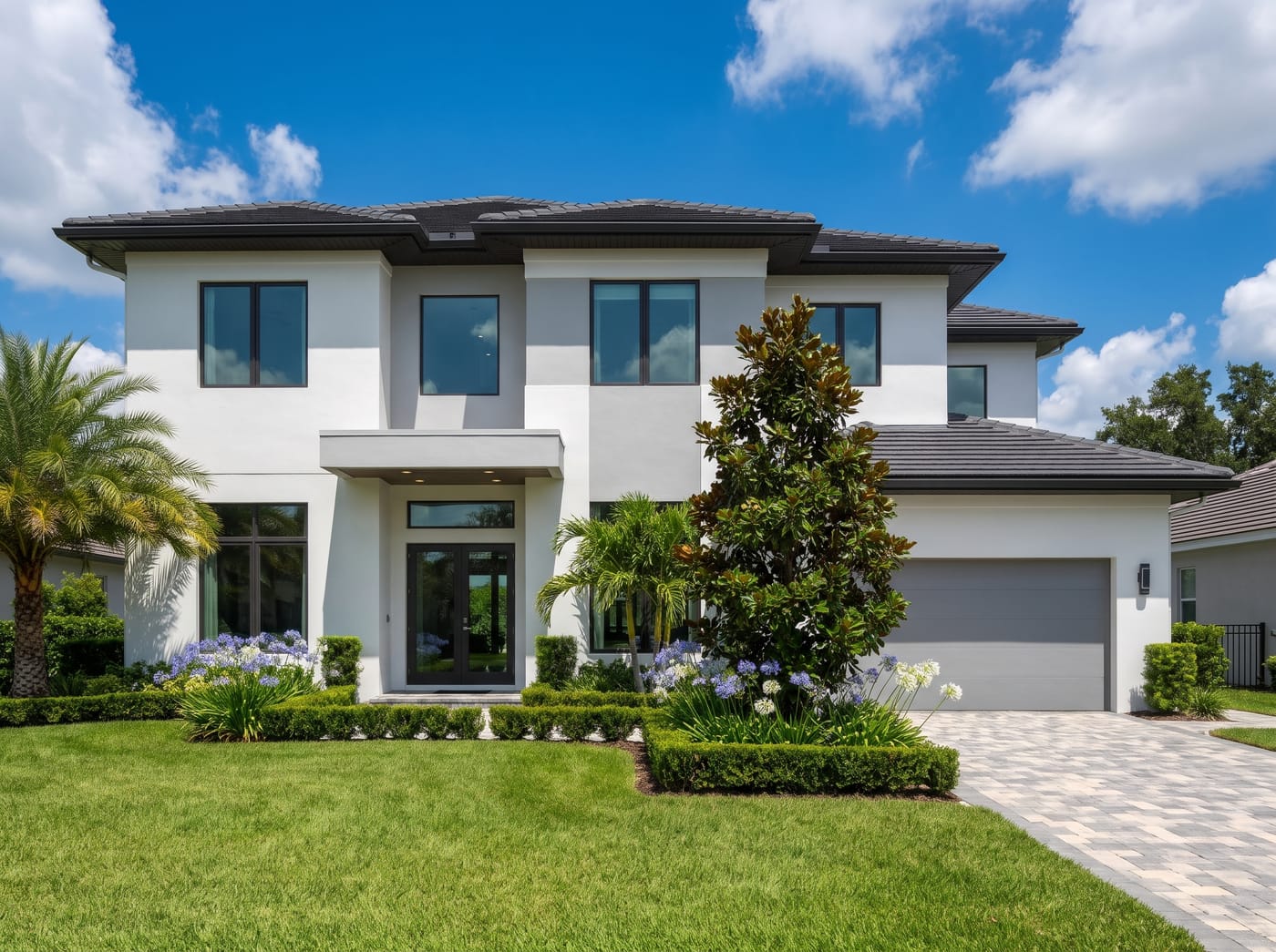
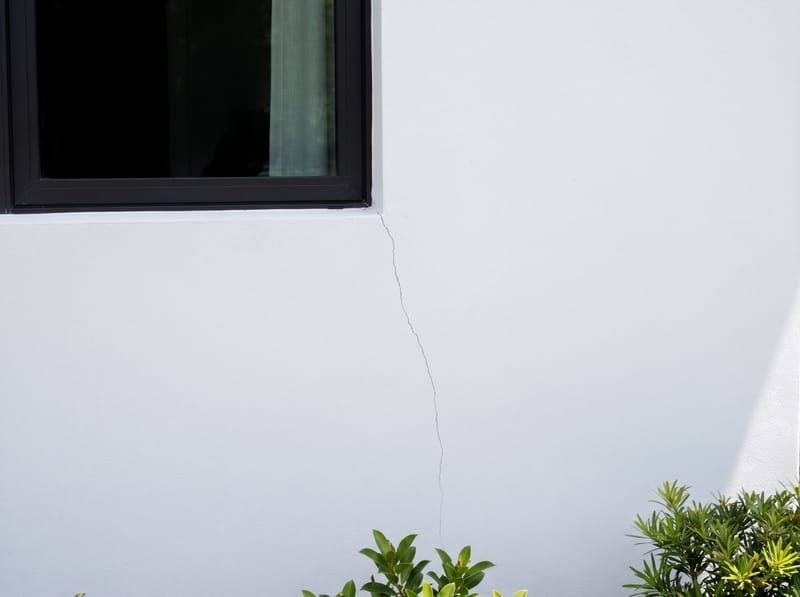
The other Orlando is brand new. Since 2015, 10,580 single-family homes have been built inside the city, about seven in ten of them in the 32827 and 32832 ZIP codes around Lake Nona, in neighborhoods like Laureate Park, VillageWalk and Storey Park. Young stucco there tends to show hairline shrinkage cracks, cracks at window corners and gaps along trim. Where a builder warranty still applies, read its terms before you hire anyone.
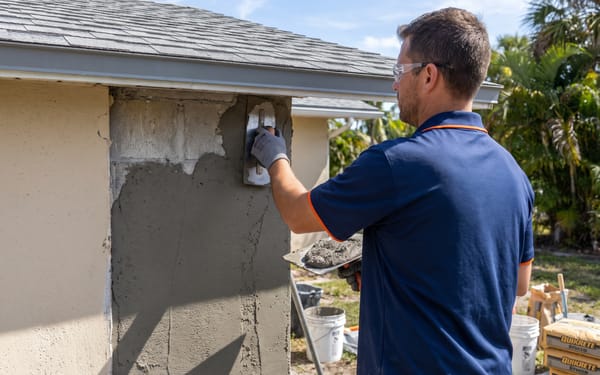
Between those two, most of the city is concrete block built from the 1960s through the 2000s, in places like Dover Shores, Rosemont, MetroWest and Vista Lakes. On block, a thin crack is usually cosmetic. The weak points are the sealant joints at windows and doors, which dry out with age and let water behind the finish.